

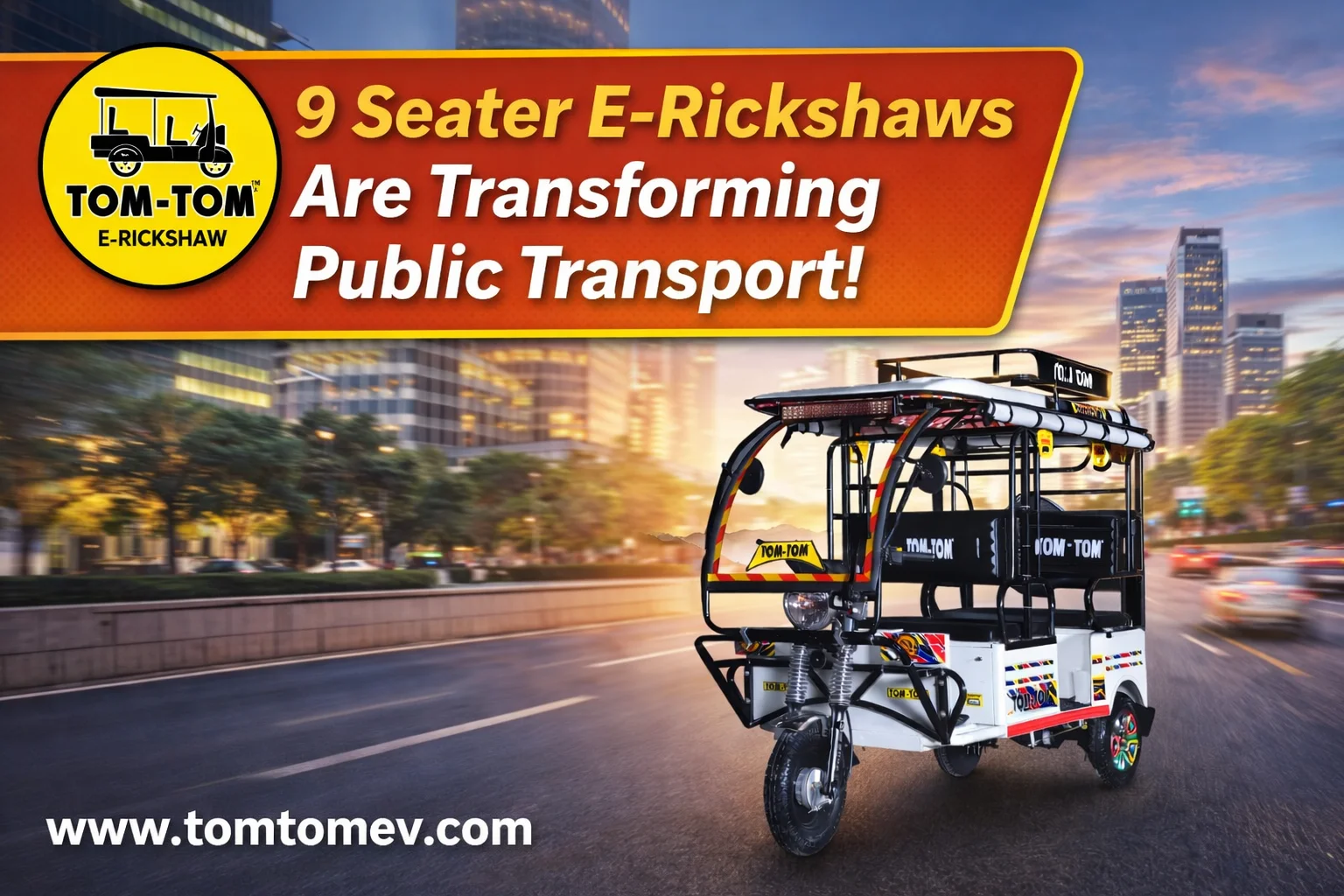
Public mobility is changing shape as cities and towns look for smarter and cleaner ways to move people. One vehicle quietly leading this shift is the 9 seater E-rickshaw. With the ability to carry more passengers while keeping running costs low, it is creating new opportunities for drivers and improving travel for daily commuters. We are seeing a steady move toward electric shared transport that feels practical, accessible, and future ready. Let’s explore through this blog how these 9-seater electric rickshaws are transforming public transport.
Growing need for efficient shared mobility
Urban roads and small town routes often struggle with overcrowding and limited transport options. Traditional autos and smaller rickshaws cannot always handle peak demand. This is where larger capacity electric vehicles step in. They help reduce the number of trips needed while ensuring more passengers reach their destination comfortably. By increasing seating capacity without increasing fuel expenses, these vehicles support both operators and passengers. They also help reduce waiting time, which is a major concern in busy areas.
Cost benefits for drivers and owners
Operating costs play a huge role in public transport decisions. Electric vehicles have already made an impact by cutting fuel expenses, and larger capacity models take it a step further. Some of the financial benefits of 9 seater E-rickshaw includes:
- Lower daily running cost compared to fuel based vehicles
- Higher earning potential due to increased passenger capacity
- Reduced maintenance requirements over time
For drivers, this means better income stability and for fleet owners, it opens the door to scaling operations without heavy investment in fuel or upkeep.
Supporting cleaner and quieter roads
Environmental concerns are no longer limited to big cities. Smaller regions are also looking for cleaner transport solutions. Electric rickshaws contribute to this shift by reducing emissions and noise pollution. A larger passenger vehicle means fewer trips, which further cuts down congestion and energy use. Streets become less noisy, and the overall travel experience improves for both passengers and pedestrians. This change may seem gradual, but its long term impact is significant.
Improving last mile connectivity
Reaching the final destination is often the most difficult part of any journey. Buses and metro systems do not always cover inner routes. Larger electric rickshaws are proving useful in bridging this gap. They serve as a reliable option for:
- Connecting residential areas to main roads
- Transporting groups efficiently
- Offering shared rides at affordable fares
With better seating and smoother rides, passengers feel more comfortable choosing this option regularly.
Practical choice for expanding transport networks
Transport systems need solutions that are easy to deploy and manage. Large electric rickshaws meet this requirement well. They do not require complex infrastructure and can operate across different types of roads. Their flexibility allows them to serve school routes, market areas, and local travel needs without major adjustments. This adaptability makes them a strong addition to growing transport networks.
Conclusion
The shift toward electric mobility is gaining pace, and the 9 seater E-rickshaw plays a meaningful role in reshaping public transport. It brings together affordability, capacity, and environmental awareness in one solution. As we continue to explore better mobility options, vehicles like these will help offer better transportation facilities to the public. At Tom-Tom E Rickshaw, we believe this transformation is only beginning, and we are working to offer more advanced and transport-friendly electric rickshaws.