

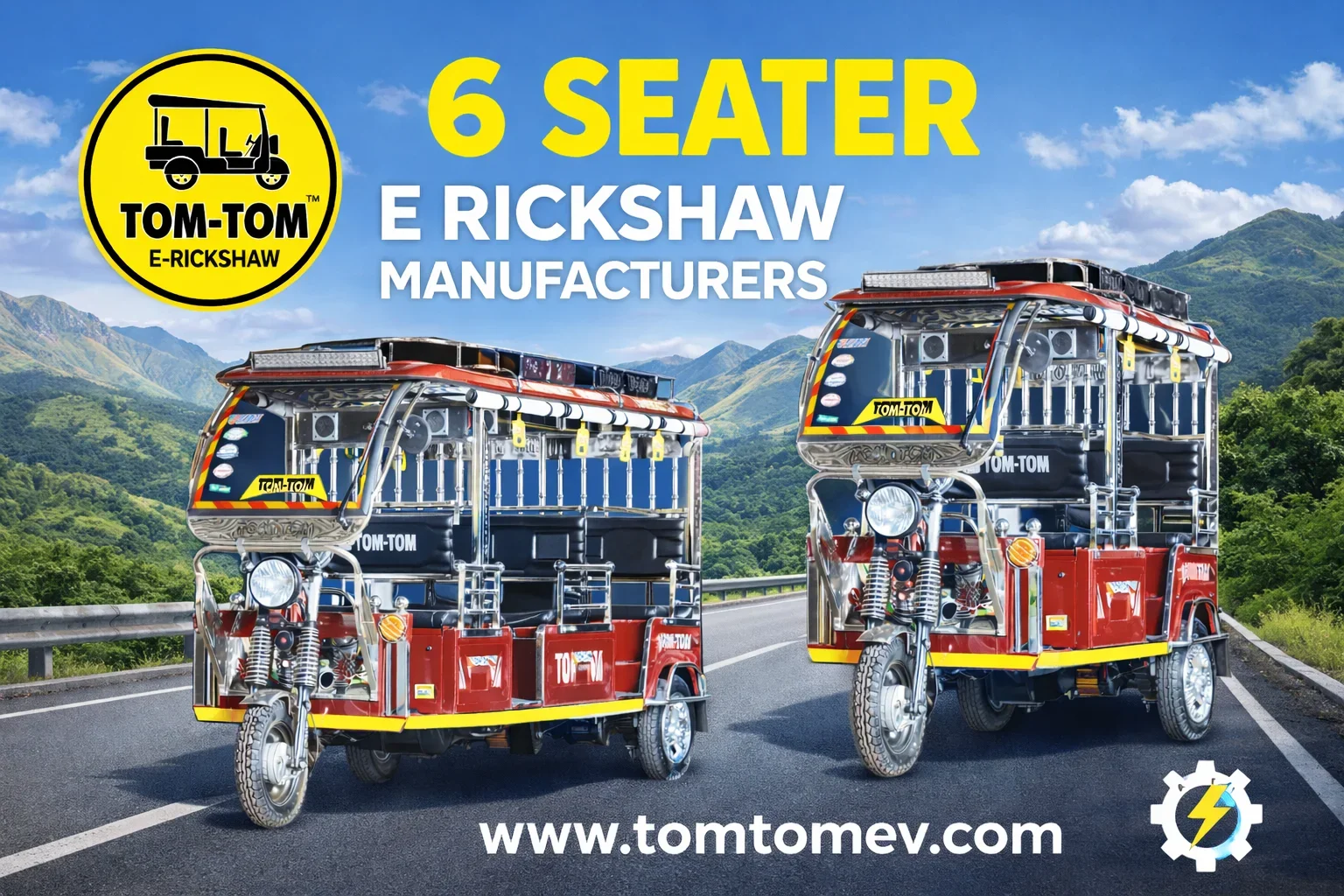
Urban mobility is steadily moving toward cleaner and more practical transport solutions. Transport operators look for vehicles that can carry more passengers, manage operating costs, and perform reliably on daily routes. A 6 seater e rickshaw has become a strong choice for shared mobility services, especially for short-distance travel between markets, metro stations, residential areas, and small commercial zones. With higher passenger capacity and electric operation, this vehicle allows operators to transport more people in fewer trips while maintaining lower running expenses.
Increasing demand for shared passenger transport
Daily commuting patterns are changing as more people rely on shared transport for short distances. Instead of using personal vehicles for every trip, passengers often choose affordable ride options that connect them quickly to nearby locations. Transport operators who serve these routes need vehicles that can handle frequent passenger movement throughout the day. Vehicles with larger seating capacity make it easier to manage rush hour demand without increasing the number of trips. Electric mobility has also gained attention among operators because it reduces fuel related expenses and simplifies routine maintenance.
Why transport operators choose higher capacity electric rickshaws?
Vehicle selection for shared mobility routes depends on several operational factors. Operators focus on capacity, efficiency, passenger comfort, and long term operating costs. The following benefits make these vehicles suitable for daily passenger transport.
- Ability to carry more passengers in one trip
- Lower running costs compared to fuel based vehicles
- Smooth and quiet operation in busy areas
- Suitable for short distance passenger routes
- Lower maintenance due to electric drivetrain
These benefits allow operators to manage passenger flow efficiently while maintaining affordable fares for riders.
Higher passenger capacity means better earnings
Main reason behind the growing popularity of the 6 Seater E Rickshaw Manufacturers is the earning opportunity it offers. Vehicles with more seating allow operators to serve a larger number of passengers during each trip. When a vehicle carries more people at once, the driver can generate better income from the same route. This reduces the need for repeated trips and helps save time and energy during peak hours. For operators working on busy local routes, this capacity advantage becomes highly valuable.
Ideal for short distance urban routes
Shared mobility services usually operate between nearby points such as residential neighborhoods, marketplaces, bus stands, and metro stations. Vehicles used on these routes must be compact, comfortable, and easy to drive through narrow streets. Electric passenger rickshaws designed for higher seating capacity maintain a balanced structure that supports passenger comfort while remaining easy to maneuver. Drivers can move through crowded lanes without difficulty while passengers enjoy convenient seating for short journeys. This makes them suitable for feeder transport services that connect residential areas with larger public transport systems.
Supporting cleaner local transport
Electric passenger vehicles also contribute to improved urban transport conditions. Since they run on battery power, they produce less local pollution and operate quietly in crowded neighborhoods. Many transport operators are gradually shifting toward electric vehicles because they help reduce operating costs and support environmentally responsible mobility solutions.
Conclusion
Transport operators continue to adopt vehicles that help them serve more passengers while maintaining operational efficiency. The 6 seater e rickshaw provides an effective combination of passenger capacity, lower running costs, and suitability for shared mobility routes. At Tom Tom E Rickshaw, we develop passenger vehicles that support real world transport needs. Our models are designed to deliver comfortable seating, reliable performance, and practical mobility solutions for operators working in shared passenger transport.